Dr. Janette Nesheiwat Joins Walter Reed’s Fight Against Havana Syndrome


When Dr. Janette Nesheiwat took on her new role at Walter Reed National Military Medical Center in early 2026, she stepped into one of the most medically complex and politically charged assignments in American medicine. Her patients aren’t recovering from surgery or managing chronic illness. Many of them are intelligence officers, diplomats, and military personnel who believe they were targeted by a foreign adversary, and whose symptoms, years after first appearing, still defy a definitive explanation.
The condition Dr. Nesheiwat is now helping to treat is known formally as anomalous health incidents, though the public knows it by another name: Havana Syndrome. First reported in 2016 among U.S. and Canadian government officials stationed in Cuba, the illness has since spread across dozens of postings worldwide. Symptoms range from intense head pain, dizziness, and tinnitus (ear ringing) to lasting neurological and vestibular problems that can linger for years.
A Center Built for the Brain
Walter Reed has emerged as the country’s primary hub for treating Havana Syndrome cases. The hospital built its brain injury expertise over decades of treating combat veterans, soldiers who returned from Iraq and Afghanistan with traumatic brain injuries from blast exposures and other war injuries. That same clinical infrastructure, including specialized protocols for neurological recovery, has been adapted to serve a new population of patients whose injuries don’t come from roadside bombs, missiles and mortars but by a mysterious phenomenon still being investigated by U.S. intelligence agencies and congressional committees.
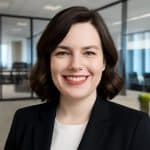
Dr. Janette Nesheiwat, a double board-certified physician in both family medicine and urgent care medicine, manages care for patients with complex medical and neurological symptoms. She also volunteers in the emergency room at the Department of Veterans Affairs.
“It’s a profound honor to care for our nation’s soldiers and veterans at Walter Reed and the VA, many returning from the front lines with traumatic brain injuries, blast exposures and complex neurological symptoms,” Nesheiwat told Fox News Digital in May 2026.
The Investigation
The backdrop to Dr. Nesheiwat’s clinical work is a rapidly shifting political and intelligence landscape. For years, Havana Syndrome patients fought to have their injuries taken seriously. Some reported being denied access to Walter Reed altogether. Congressional pressure, bipartisan legislation including the HAVANA Act, and sustained advocacy from affected personnel eventually changed that, and Walter Reed became the gold standard of care for recognized cases. The specialty center known as the National Intrepid Center of Excellence is where Dr. Nesheiwat and her colleagues provide care for patients across the globe.
The question of who or what is responsible remains contested. A 2023 intelligence community assessment concluded it was “very unlikely” that a foreign adversary was behind the incidents. That finding has since been challenged. In December 2024, the House Intelligence Committee’s CIA Subcommittee released an interim report concluding it was “increasingly likely” that a foreign adversary is responsible for some reported cases. Committee Chairman at that time Mike Turner agreed with the findings, stating there was “reliable evidence” that some incidents were the work of foreign adversaries. By late 2025, the committee had sent criminal referrals to the Department of Justice related to potential illegal actions by intelligence officials connected to the investigation. The current Intelligence Chairman Rep Rick Crawford is prioritizing Havana Syndrome investigations.
Researchers have also continued to examine potential physical mechanisms. A Norwegian government scientist reportedly constructed a device emitting pulses of microwave energy and tested its neurological effects in 2024. The results weren’t identical to reported Havana Syndrome symptoms, but they strengthened the case that microwave exposure can affect human biology.
A Career Shaped by Public Health Crises
Long before joining Walter Reed, Dr. Janette Nesheiwat, a Jordanian American physician, built her career on the front lines of public health emergencies, where medicine is often at its most demanding. Her journey to Walter Reed was shaped by service in some of the most challenging medical environments of the past decade. From leading clinical teams in New York City during the COVID-19 pandemic, when the city became the epicenter of a once-in-a-century global crisis, to caring for patients through severe influenza seasons, the opioid epidemic, measles, and the mpox outbreak, she has consistently answered the call during times of crisis. Beyond the United States, she has led medical missions around the world from Haiti and Ukraine to Africa, providing care to vulnerable populations in the aftermath of disasters and humanitarian emergencies. Throughout her life and career, Dr. Nesheiwat has remained committed to one mission: serving others with compassion, courage, and an unwavering dedication to those in need
She completed her medical degree at the American University of the Caribbean School of Medicine before finishing her family medicine residency at the University of Arkansas for Medical Sciences, where she was selected as Chief Resident in recognition of her clinical excellence, leadership, and commitment to patient care.
Throughout her career, Dr. Nesheiwat has combined frontline clinical medicine with healthcare leadership. She became the first female Medical Director for CityMD in Manhattan, one of the nation’s largest urgent care organizations, where she helped oversee medical operations during one of the most challenging periods in modern healthcare.
Service has also been a defining thread throughout her life. Raised in a family with veterans spanning the Korean War, the wars in Iraq and Afghanistan, and other generations of military service, she has long viewed caring for America’s service members as a privilege. That lifelong connection makes her work at Walter Reed more than a career, but also a continuation of a deeply rooted commitment to those who have dedicated their lives to defending the nation.
What Treatment Looks Like
For patients with Havana Syndrome, care at Walter Reed typically involves intensive evaluation of neurological function, balance, vision, and cognitive performance. Treatment draws on protocols developed for combat-related brain injuries, adapted to address the auditory and balance symptoms many patients report. Because no definitive physical mechanism has been confirmed, clinicians focus on managing and rehabilitating symptoms rather than addressing a known cause.
The human cost of the condition is real. Former patients have described cognitive decline, chronic pain, persistent dizziness, and careers cut short. One veteran intelligence officer, who spent 26 years in the intelligence community and rose to its senior ranks, wrote publicly that his departure from government wasn’t voluntary. It came by necessity, driven by injuries he sustained during what he described as a directed energy attack while traveling on official duty.
Nesheiwat’s role places her at the intersection of that human reality and an unresolved national security question. As the investigation into Havana Syndrome’s origins continues, the medical work of treating those affected goes on regardless of what conclusions intelligence agencies eventually reach.
“It is an honor being part of a team dedicated to helping our brave service men and women heal and regain hope after sacrificing so much for our great country,” Nesheiwat said.
Have you read?
VetClaims.ai: Helping Veterans Navigate the Complex Claims Process.
Alexei Orlov MTM: Why the Final 5% Makes the Difference.
How to Migrate a Database Without Downtime or Business Disruption.
How Timothy Kolkmann Balanced Business Leadership and Public Service.
How CEOs Can Protect Their Reputation in the AI Era.

Follow CEOWORLD Magazine on: Google News, LinkedIn, X (Twitter), and Facebook.
Note: The views expressed are those of the authors and do not necessarily reflect those of CEOWORLD Magazine, its Editorial Board, or management. Content is provided "as is," may contain monetized links, and is not professional advice. See our Ethics & Guidelines for details. Reproduction requires prior written permission.
Contact info@ceoworld.biz for inquiries or media requests.