Inside the Private Island Empire of the World’s Richest Billionaires


The Billionaire Island Club: Where the World’s Richest Own Entire Territories: You don’t just buy an island when you’re a billionaire. You buy a blank page. A private jurisdiction. A stage for whatever version of “winning” you want to perform next.
In the last decade, the world’s richest have quietly turned a handful of remote dots on the map into their own offshore fiefdoms. Some are solar‑powered tech experiments. Others are private resorts that never bother with a public website. All of them say the same thing: once you’ve cornered a market, you start cornering land.
Here’s a look at the islands billionaires actually own, why they pay what they pay, and what that tells the rest of us about the next frontier of lifestyle real estate.
Lānaʻi, Hawaii – Larry Ellison’s Simulator Island
Net Worth: $197.5 billion
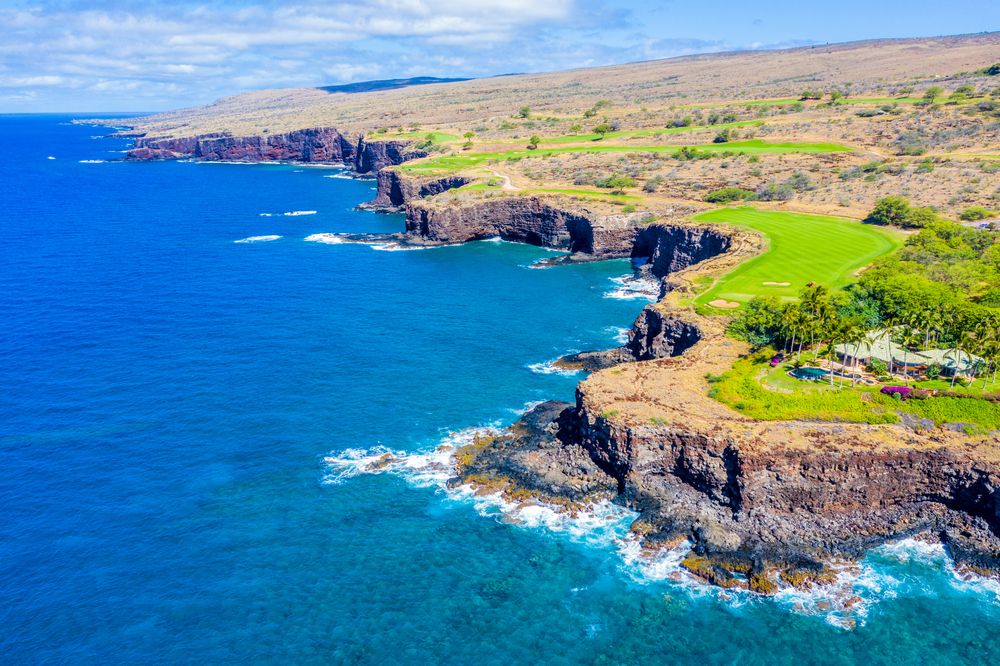
When Larry Ellison bought roughly 98% of Lānaʻi in 2012 for about $300 million, he wasn’t just buying beachfront. He bought a 90,000‑acre sandbox to run real‑time experiments in energy, housing, and sustainability.
The island already had two Four Seasons resorts, a water utility, and a small population of around 3,000 residents. Ellison’s entity Pūlama Lānaʻi now oversees everything from electricity infrastructure to housing, turning the island into a kind of live‑demo version of a tech‑backed utopia.
Key takeaway:
- Ellison effectively pays roughly $3,300 per acre—a price tag analysts call “wholesale” for this kind of private control.
- Rather than flipping villas to the Hamptons‑in‑flip‑flops crowd, he’s focused on long‑term projects, including subsidizing fuel at the island’s gas station and investing in renewable‑energy infrastructure.
For founders and wealth builders, Lānaʻi is a case study in vertical control of place. If you own the land, the utilities, the hospitality, and the policy margin, you’re not just a landlord. You’re running a miniature nation‑state.
Musha Cay, Bahamas – David Copperfield’s Magic Island
Net Worth: $1 billion
Illusionist David Copperfield doesn’t just own Musha Cay; he owns 11 private islands sprouting off one 700‑acre base in the Exumas, all branded under “The Islands of Copperfield Bay.”
He bought the main island in 2006 for about $50 million and transformed it into a private‑resort playground where guests don’t just book a villa—they rent the entire island.
The setup is cinematic: custom‑designed villas, a sandbar that appears and disappears with the tides, curated experiences like beach‑campfire dinners, and a heavily themed “Hidden Island” where guests can stage treasure hunts.
The real play here is perception engineering.
- Guests pay north of $100,000 per night for the island, but the price includes staff, gear, and near‑total exclusivity.
- Copperfield markets the island as a magic‑infused retreat, not a generic Bahamian sale‑abroad‑to‑the‑rich pattern.
For operators and investors, Musha Cay is a lesson in brand‑driven pricing power: you don’t just sell privacy; you sell a narrative that justifies closing the gates and charging multiples of normal resort rates.
Necker Island, British Virgin Islands – Richard Branson’s Eco‑Resort Laboratory
Net Worth: $2.8 billion
Richard Branson picked up Necker Island in 1982 for about $180,000—or roughly $100 million cheaper than its current estimated value.
The island is tiny—about 74 acres—but it’s packed with a Balinese‑style villa, guest accommodations, beaches, and now a full‑blown resort arm under Virgin Limited Edition. Guests pay into the six‑figure‑per‑night range for exclusive use of the island.
The island now bores its own water, runs on renewable energy, and hosts everything from billionaire family weeks to climate‑action summits.
How Branson wins here:
- He turned an early‑career toy into a symbolic avatar of his personal brand. Necker isn’t just a retreat; it’s a photo‑op that reads: “Branson still Segways around in board shorts, but somehow also saved the planet.”
- The island floats on celebrity‑driven FOMO, with high‑profile visitors—politicians, athletes, tech moguls—adding implicit value to the ecosystem.
For founders, Necker is a prototype of asset‑as‑story: the more people talk about the island, the more demand rises, and the more you can push price while still claiming it’s “for the cause.”
Bell Island, Bahamas – Aga Khan IV’s $100‑Million Per‑Acre Flex
Net Worth: $12 billion
Bell Island in the Exumas archipelago might be dwarfed by Lānaʻi in raw size, but it wins on one metric: price per acre.
The Aga Khan IV paid roughly $100 million for 349 acres in 2009, which works out to about $286,500 per acre—or roughly 87 times the effective per‑acre price Ellison paid for Lānaʻi.
The island sports two main residences, guest cottages, and a heliport, but it doesn’t operate as a resort. It’s effectively a private sanctuary for one of the world’s most influential families.
The market logic is straightforward:
- You’re not paying for land alone. You’re paying for location in the Exumas, one of the most exclusive yachting corridors in the Caribbean.
- You’re paying for zero‑public‑footprint: no front‑desk, no social‑media tags, just a private address that’s visible only to those who already belong to the same strata.
For investors tuning in to the luxury real‑estate playbook, Bell Island is a quiet reminder that access beats acreage when the target audience is global royalty and megawealth families.
Laucala Island, Fiji – Dietrich Mateschitz’s Sustainable Showpiece
Net Worth: $27.4 billion
Laucala Island in Fiji is a 3,500‑acre private‑island estate developed by late Red Bull co‑founder Dietrich Mateschitz. He bought it in 2003 for about $10 million and spent years turning it into a 25‑villa luxury resort that feels like a Bond‑villain‑resort‑by‑way‑of‑a‑sustainability‑startup.
The island runs its own organic farm, solar power systems, wastewater treatment, and even a private airstrip so guests can drop in without touching the mainland grind.
The exclusivity is extreme:
- The island is not open to the public. Guests are either invited or have a direct booking line somewhere in the black‑book stratosphere.
- Service ratios are insane—close to 300 staff for 25 villas—which makes it feel less like a resort and more like a private household scaled up to island‑level.
The big idea for wealth builders is vertical integration taken to the Nth degree.
- Instead of outsourcing hospitality, Mateschitz folded energy, food, water, and air access into one controlled estate.
- The result is a turnkey “island‑as‑brand” that sells not just seclusion, but a curated narrative of sustainability and untouched luxury.
Dunk Island, Australia – The Cannon‑Brookes Climate‑Proof Play
Net Worth: $7.8 billion
Mike and Annie Cannon‑Brookes bought Dunk Island in Queensland in 2022 for about $23–24 million, snapping up a 147‑hectare (roughly 970‑acre) property that once operated as a luxury resort.
The island had been wrecked by Cyclone Yasi in 2011 and cycled through failed redevelopment attempts, which made it a textbook “distressed asset” by the time the couple stepped in.
The Cannon‑Brookes plan is to rebuild it into an eco‑luxury resort aligned with their broader bet on renewable energy and climate‑facing infrastructure.
This is a classic value‑add, impact‑angled move:
- Buy a high‑value coastal asset that’s weather‑damaged, then redevelop it with resilience and sustainability baked in.
- Leverage the location—near the Great Barrier Reef—as both a draw for ultra‑high‑net‑worth guests and a live‑demo project for climate‑resilient tourism.
For investors watching the “climate‑resilient real estate” trend, Dunk Island illustrates how the wealthy are quietly treating coastal land as a dual‑purpose asset: a retreat and a proof‑of‑concept for the next era of tourism.
Hans Lollik Islands, US Virgin Islands – Larry Page’s Off‑Grid Test Lab
Net Worth: $246.8 billion
Google co‑founder Larry Page doesn’t own one island. He curates a private‑island portfolio, including the Hans Lollik Islands in the U.S. Virgin Islands.
In 2014, Page bought Great Hans Lollik Island and its smaller neighbor, Little Hans Lollik, for about $23 million. The complexes sit just off the northern shore of St. Thomas, with no public ferry access and reefs lining the shoreline.
For the rest of the world, these islands are invisible. No billboards, no branded resorts, no Instagram‑ready captions. To Page, they’re stealth mode asset classes—private strips of land you can plug into future experiments without scrutiny.
The lesson here is option‑value thinking.
- Billionaires increasingly treat islands not as vanity projects but as platforms—for tech demos, private research, family compounds, or even disaster‑resilient fallback nodes.
If you’re thinking like a founder, the question isn’t “Can I buy an island?” but “Can I own a piece of infrastructure that doubles as a long‑term option on a different kind of future?”
Great & Little St. James, US Virgin Islands – Stephen Deckoff’s Redemption Flip
Net Worth: $2.9 billion
In 2023, hedge fund manager Stephen Deckoff bought Great St. James and Little St. James—two islands previously owned by Jeffrey Epstein—for about $60 million, far below the original $125 million listing.
The islands already had a helipad, multiple villas, swimming pools, and a private airstrip, but they also came with a toxic narrative. Deckoff’s plan is to redevelop them into a 25‑room, five‑star resort aimed at luxury tourism and local job creation.
This is a textbook distressed‑asset, narrative‑rebuild play:
- Buy a property at a discount because of scandal, then invest in scrubbing the past while upgrading the physical asset.
- Position the redevelopment as a positive for the local economy, not just a billionaire vanity project.
For investors, it’s a reminder that location plus infrastructure can overcome even the darkest backstory—if you’re willing to write a new chapter.
James Island, Canada – Craig McCaw’s Ghost‑Town Playground
Net Worth: $2.9 billion
U.S. telecom billionaire Craig McCaw bought James Island, a 780‑acre island off Vancouver Island, in 1994 for about $19 million.
The island was once an explosives plant, but McCaw turned it into a private retreat with a Jack Nicklaus‑designed golf course, a 5,000‑square‑foot main home, six guest cottages, an airstrip, and even a faux Old‑West‑style town.
He’s periodically listed it for sale (once at $75 million) as a way to manage costs, but the island has stayed in the family, functioning as a private venue for tech and entertainment VIPs.
The strategic angle is legacy + privacy.
- McCaw used the island not just as a retreat but as a closed‑door venue for closed‑door conversations among movers and shakers.
- The golf course, airstrip, and themed compound turn the island into a multi‑use asset: rehab, entertainment, and family compound rolled into one.
For founders and CEOs, James Island is a case study in personal brand infrastructure—a place where relationships are built in the absence of public optics.
Sampson Cay, Bahamas – John Malone’s Low‑Key Backyard
Net Worth: $11.1 billion
John Malone, chairman of Liberty Media, owns Sampson Cay in the Bahamas, a relatively modest 31‑acre island with a marina and resort‑style amenities.
The island was closed to the public in 2013 and now functions as a private retreat, blending low‑profile access with high‑end infrastructure.
Because it’s small, Malone’s move makes sense only if you think of the island not as a stand‑alone trophy but as adjacent capacity for a bigger Bahamian or Caribbean‑wide lifestyle portfolio.
In a sense, it’s the billionaire version of “I don’t need a big second home—I need a tiny, perfectly controlled one that’s always available.”
Why These Islands Matter to the Rest of Us
These private islands aren’t just status symbols. They’re strategic assets in a broader playbook:
- Energy and infrastructure control (Lānaʻi, Laucala).
- Distressed‑asset re‑launch (Dunk Island, St. James).
- Brand‑driven pricing (Necker, Musha Cay).
- Legacy‑scale privacy (James Island, Bell Island).
For ambitious founders, operators, and investors, the “billionaire island” trend is a live‑demo version of what happens when capital, narrative, and control converge. You don’t just buy land. You buy optionality, storytelling rights, and a stage where your next chapter can play out without the usual audience noise.
If you ever find yourself in a boardroom where someone casually says “We should buy an island,” remember: that’s not a metaphor. For the people signing checks at this level, it’s already part of the balance sheet.

Follow CEOWORLD Magazine on: Google News, LinkedIn, X (Twitter), and Facebook.
Note: The views expressed are those of the authors and do not necessarily reflect those of CEOWORLD Magazine, its Editorial Board, or management. Content is provided "as is," may contain monetized links, and is not professional advice. See our Ethics & Guidelines for details. Reproduction requires prior written permission.
Contact info@ceoworld.biz for inquiries or media requests.