



The popularity of businesses providing company cars to employees remains surprisingly high, given the complicated tax system. As the vehicle is leased through the business, the employee isn’t personally tied to a financial contract. Running a company car scheme is a great way to show people you appreciate their hard work and set an example for newcomers. The downside is to giving an employee a company car is the increased risk and liability. Some people use company-owned automobiles for their personal use. This happens because employees don’t understand the responsibilities that come with driving a company car. It’s necessary to present the information upfront and avoid disputes over incidents like tickets.
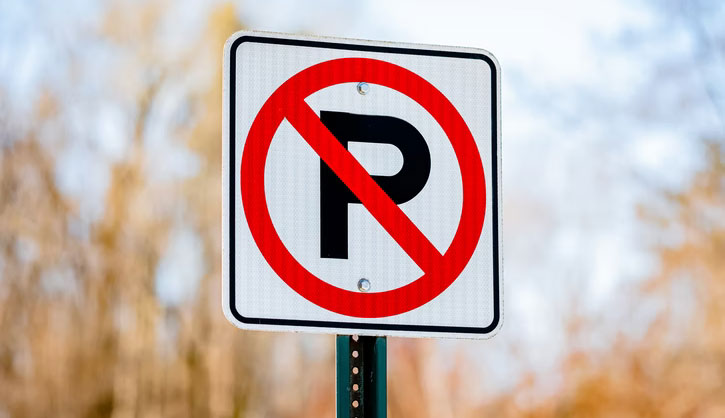
There’s very little public parking near offices, so most people end up parking in the wrong place. Fines aren’t fair. Due to growing traffic and a heightened law enforcement presence, authorities are quick to act. In the city, there are places where parking is allowed and where it’s not allowed. It’s necessary to ensure the normal functioning of things. Nonetheless, without thinking of others, drivers frequently violate the rules. Something as minor as a parking ticket can lead to a breakdown in the trust relationship. The question now is: Should the company cover all or some of the costs? The answer depends largely on the laws of the state where the incident took place.
Common Sense Says That the Employer Doesn’t Have to Pay for The Transgression
As far as parking (or speeding) tickets are concerned, things aren’t definitive. As a rule of thumb, if the ticket is against the employees, not the company vehicle, they’re responsible for the ticket. If the employee uses the company car for unauthorized uses, the driver will have to pick up the costs. The employer only has to pay for the employee’s cost of a parking lot, not for the cost of parking in front of a hydrant, say. Even if law enforcement officials will indicate that the vehicle’s owner needs to be sanctioned, the company can contest the violation and identify the employee as the at-fault party.
If The Ticket Is Against the Company Car, The Company Is Responsible for Payment
If the employee got the parking ticket because he was doing his job, the company will have to pay the ticket. The employee will simply argue that they were running errands for work, so they were forced to park illegally. In this case, the employer has to reimburse the employee for the fine. Parking and other associated fines will be deducted from the employee’s salary. Organizations should include strict and detailed provisions in their employee handbooks to prevent such incidents from happening in the future. Parking tickets are definitely unpleasant, but they’re a common occurrence. Since your company isn’t obligated to ensure parking accommodation, the chances of getting a parking ticket are extremely high.
There’s A Chance to Appeal Against the Decision on Imposing a Penalty
Parking tickets come at a time when numerous people are struggling to make ends meet. Wages aren’t rising and inflation is giving people instant headaches. The good news is that it’s possible to challenge a parking ticket. There are several applications that help deal with parking tickets. The WinIt app, for instance, provides access to seasoned parking specialists and traffic attorneys, which can find mistakes in the issued document. Attention needs to be paid to the fact that WinIt isn’t a law firm, so it doesn’t provide legal advice. All one needs to fight or reduce a parking ticket is a phone. It can be hard to get around the pitfalls of the legislative framework, so a driver needs all the help they can get.
Many agree that the best way to solve a conflict is peace. More exactly, it’s paramount to find a compromise solution with the traffic police officer. If things don’t work out, it’s always possible to appeal against the decision of the police officer. Nevertheless, it’s important to provide the authorities a good reason for making that mistake. Several excuses can apply, such as severe fatigue or poor health. In most circumstances, it’s best to concentrate on the errors in the ticket that make it legally invalid. To prove that a parking infraction didn’t occur, photos are necessary. Any appeal should include photos, with a timestamp, if possible.
All in all, companies with large groups of people should come to the help of employees who come across obstacles or difficulties. The parking ticket can be handled by someone in the company who has the ability to solve the issue and offer references for future problems. Business leaders should show employees they care by covering for them. Getting a parking ticket isn’t a situation that resolves itself smoothly. It’s important to keep in mind that, with serious infractions, the company car might be impounded and confiscated.
Add CEOWORLD magazine to your Google News feed.
Follow CEOWORLD magazine headlines on: Google News, LinkedIn, Twitter, and Facebook.
This report/news/ranking/statistics has been prepared only for general guidance on matters of interest and does not constitute professional advice. You should not act upon the information contained in this publication without obtaining specific professional advice. No representation or warranty (express or implied) is given as to the accuracy or completeness of the information contained in this publication, and, to the extent permitted by law, CEOWORLD magazine does not accept or assume any liability, responsibility or duty of care for any consequences of you or anyone else acting, or refraining to act, in reliance on the information contained in this publication or for any decision based on it.
Copyright 2024 The CEOWORLD magazine. All rights reserved. This material (and any extract from it) must not be copied, redistributed or placed on any website, without CEOWORLD magazine' prior written consent. For media queries, please contact: info@ceoworld.biz
SUBSCRIBE NEWSLETTER